
Get a quick quote


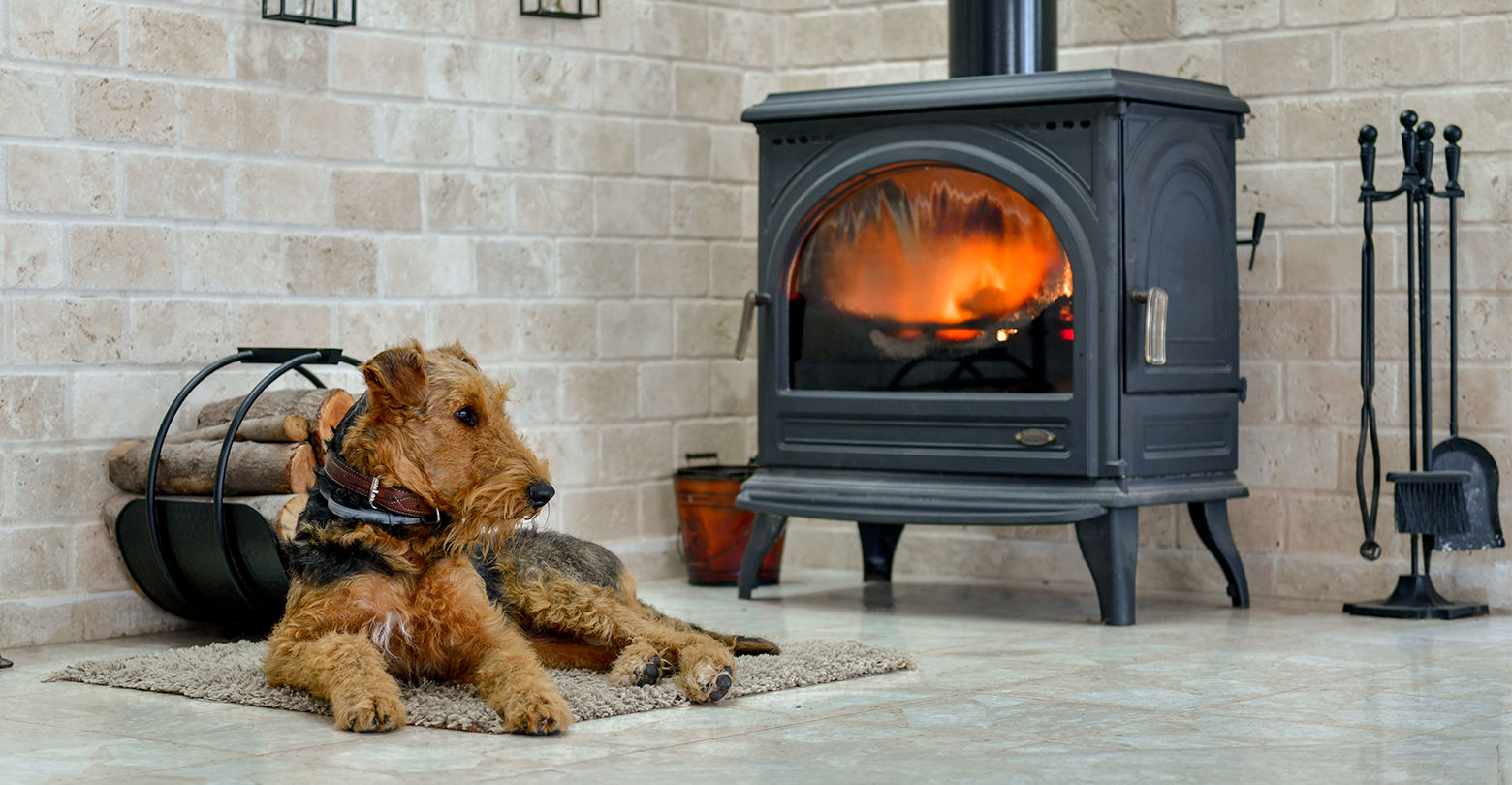
AMI is urging New Zealanders to take extra care this winter, as fire claims linked to home heating increase during the colder months, causing significant damage to homes across the motu.
While the overall number of house fire claims has eased slightly over the past two years, the impact of fires remains significant.
Last year, the average cost of a house fire claim was around $116,000, however, this cost rose to more than $680,000 in cases where the home was a total loss.
Over the last few years fire claim volumes have consistently peaked between May and October, with the highest number of claims occurring in August – typically the coldest month of the year.
As New Zealanders turn to heat pumps, portable heaters, fireplaces and electric blankets to stay warm, AMI says these warming methods can also bring an increased fire risk if not used or maintained properly.
AMI Executive General Manager Claims, Steph Ferris says: "Cooking is the leading cause of house fires year‑round, but during winter we see a noticeable spike in fires involving heating equipment. Heating sources are involved in nearly 16% of winter fire claims, compared with just 6% during the rest of the year.
"While insurance can help rebuild and replace many damaged items after a fire, photos, heirlooms and sentimental items can't be recreated, which is why preventing a fire in the first place is so important."
Portable heaters, fireplaces, chimneys, electric blankets and solid fuel burners are among the most common contributors to winter‑related fire claims, particularly when combustible materials such as bedding, clothing, curtains or firewood are placed too close.
Electrical issues, including faulty wiring, overloaded switchboards and damaged appliances, are also a common factor, alongside open flames such as candles and smoking materials.
"These fires often happen on winter weekends, most frequently in the afternoon and evening when people are home, relaxing or entertaining," says Steph.
AMI recommends households regularly check heating appliances, keep clear space around heat sources, and ensure chimneys and flues are professionally cleaned before winter use.
"Simple things like placing heaters too close to furniture, overloading power outlets, or using worn electric blankets can very quickly turn into a major fire," Steph says.
While heating fires rise in winter, Steph says cooking continues to be the leading cause of house fire claims throughout the year.
"We continue to see fires starting in kitchens, often from unattended cooking or overheated oil.
"Whether it's winter or summer, staying in the kitchen while cooking and keeping flammable items away from the stovetop makes a real difference."
"Winter should be about staying warm and comfortable. With a little extra care, New Zealanders can significantly reduce the risk of fire and keep their homes safe."
AMI encourages households to take these simple steps: