Get a quick quote



Baby on the way? Surprise twins? A dog to consider as well? It’s exciting to see your family grow, but it might mean that you need a bigger car. There are some fantastic family-friendly vehicles on the market - new or used, but the decision to replace your car can feel overwhelming. From safety features to running costs and finding the perfect fit for the pram, there's a lot to consider.
Not to worry - we’ve gathered some handy tips from the experts at AMI MotorHub on how to choose the best car for your whānau.
Investing in a new family car is more than just getting an upgrade - it's about keeping your precious cargo safe and comfortable. Whether it's the first baby seat or the fifth backpack, having a reliable family car makes life run much more smoothly.
Considering your current and future needs is key. If you make a good choice now you won’t have the hassle of having to change your vehicle every few years. The best family cars tick the boxes for size, reliability, safety credentials and price.
Growing a family comes with many new expenses, so finding a family car that fits within your budget is crucial. As well as the upfront cost you'll need to think about ongoing expenses like fuel/charging, maintenance, and insurance.
Tips for managing costs:
Keeping your kids safe is non-negotiable, which is why safety features should be at the top of your checklist. Modern family cars come equipped with technology designed to help protect your loved ones during every trip. Even if you're not in the market for a brand-new vehicle, you want to find the safest family car you can. Safety ratings can help guide your decision-making. You can learn more about safety ratings on the NZTA website, then use the Rightcar.govt.nz and ANCAP websites to access up-to-date safety information for vehicles you are considering.
Must-have safety features:
According to NZ Transport Agency Waka Kotahi, children under 7 must be secured in an approved child restraint when travelling in a vehicle. Choosing a car with ISOFIX connectors helps parents stay compliant while keeping their children as safe as possible. Check out our car seat safety tips if you'd like to learn more.
Can you make do with a small car with enough room for just one baby capsule and a stroller, or are you ferrying three children and their sports gear around every weekend? Make sure your new car has enough seats and storage space for a growing family.
Things to consider:
Tip: Bring your baby seat and stroller when inspecting potential cars to see how comfortably they fit.
Different families have different needs, which is why knowing the pros and cons of each vehicle type is important.
Popular family cars options:
Think about how long you'll be keeping the car and whether it will still suit your family's needs. Consider factors like depreciation and resale value, durability, and adaptability to ensure your investment provides value for years to come.
Questions to ask yourself:
If you're hoping to save money, consider a hybrid or battery electric vehicles (BEVs) as these can reduce running costs significantly. To lower your family's carbon footprint, electric cars are also becoming more family-friendly in terms of size, functionality, with new and second-hand options becoming more affordable in NZ.
Finding the balance that's right for your whānau
When purchasing a family vehicle, there's no one-size-fits-all approach - it truly comes down to what works best for your family's needs. By balancing factors like budget, safety, and space, you're much more likely to make a choice you'll be happy with for years to come.
If you're still exploring options for family cars, take advantage of helpful platforms like Autotrader, Trade Me's Car Marketplace, and access detailed reviews on car websites like Ecotricity (for EVs specifically) and Driven.
We're here to help protect your family
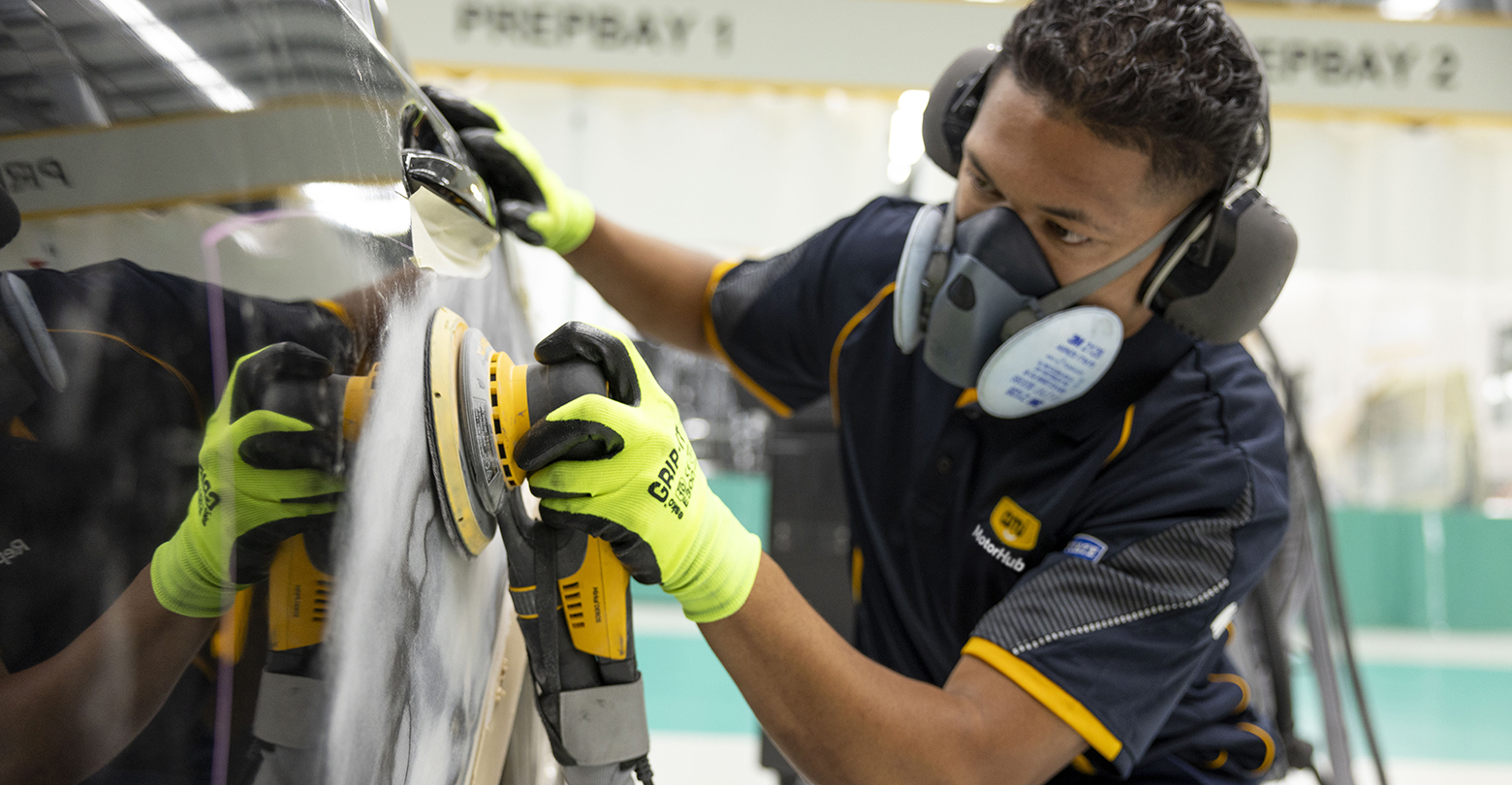
With different car insurance options to cater to what you need, the option to add AMI Roadside Rescue for nationwide breakdown assistance available 24/7 and our very own state-of-the-art vehicle repairer, AMI MotorHub - you can drive with peace of mind knowing that we're on your side.
This article is intended to provide general information only, and should not be substituted for any legal, financial, or other professional advice. The information in this article is generally sourced from third-party websites and IAG New Zealand Limited does not guarantee or accept any liability for the accuracy of that information. Any references to third party websites in this article are not intended to constitute a recommendation or any endorsement by IAG New Zealand Limited.