Get a quick quote


It's the morning, and you've scrambled to get the kids ready for school on time; you strap them in the car, turn your ignition on and the car doesn’t start. Or worse still, it breaks down halfway over the Auckland Harbour Bridge.
Unless you're a mechanic, panic might start to set in. Knowing what to do during a breakdown can make all the difference. Here, we'll explore some common car issues - and how to avoid them - and share some tips straight from our experts at AMI Roadside Rescue.
"In 2022 we responded to nearly 54,000 callouts in total. This indicates a significant number of vehicle breakdowns annually." Says Dean MacGregor, Executive General Manager, AMI Roadside Rescue.
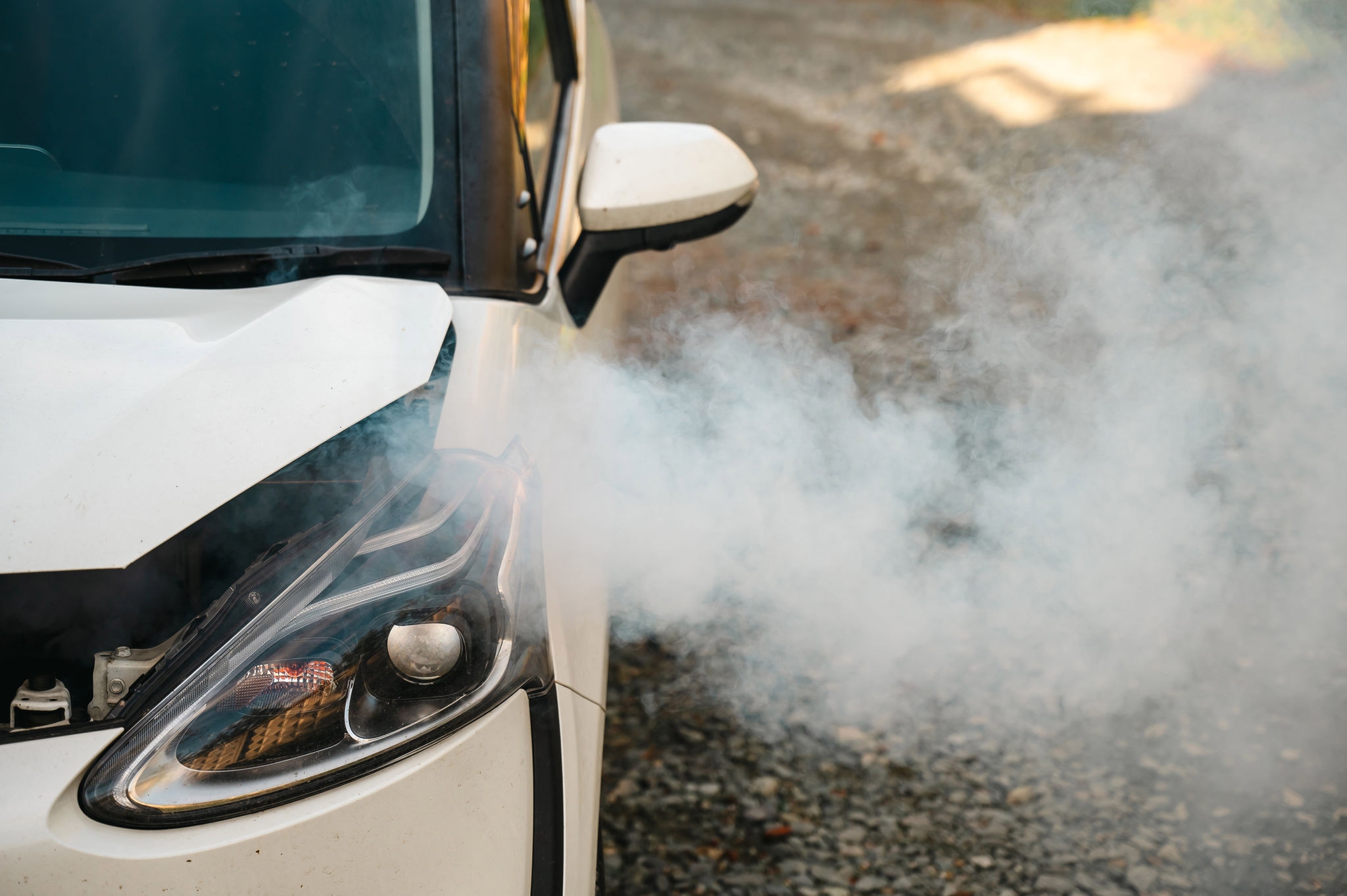
A vehicle breakdown is inconvenient and stressful so it's worth investing in a little bit of maintenance to avoid one. Surprisingly, the most common causes of breakdowns aren’t catastrophic engine failures. Instead, it tends to be the minor issues.
Flat battery
Batteries going flat are a leading reason why cars end up stranded.
"Between January and September 2023, AMI Roadside Rescue received over 36,000 callouts from customers caught on the side of the road, or simply stuck at home, with battery issues being to blame for nearly half of all breakdowns," says Dean.
A flat battery can happen if you leave a light on overnight or if the battery reaches the end of its life span. Many mechanics and auto parts stores offer free battery testing, so it’s easy to check the current health of your battery. An end-of-life battery, especially in modern cars can create all sorts of strange electrical issues. Investing in a quality battery might cost a little more but can also save you from serious problems down the road.
Flat tyres
A flat tyre seems to happen at the most inconvenient time. You can help prevent a flat tyre by checking the tyre pressure monthly - you could do this manually with a tyre pressure gauge or at your local service station with an air pump. Use this time as an opportunity to check for signs of wear and tear too.
If you’re driving a modern car with a tyre pressure sensor monitoring system (TPSM) keep an eye on any warnings and make sure you know how to reset the system after you’ve inflated any tyres. Punctures, low tread, or improper inflation can all lead to unexpected flats. If your car has a spare tyre make sure it’s in good condition and is inflated to its specification as space savers usually need to be inflated to a higher pressure.
Check out our tips for driving on a space saver so you know what to do if the time comes. Make sure you know how to change a tyre, or think about joining AMI Roadside Rescue so our team can help you 24/7.
Overheating engines
If your temperature gauge creeps into the red or the warning light is on, it's crucial to act immediately - pull over safely and call the team at AMI Roadside Rescue for help. Engines overheat for various reasons, like a leak in the cooling system or a faulty thermostat. Regular coolant checks can prevent overheating and keep your car engine running smoothly. Overheating is a common problem in hot weather so, keep an eye on your coolant levels during summer. And if you top up your coolant at home make sure you use the manufacturer specified coolant.
Alternator faults
The alternator powers your vehicle's electrical systems and charges the battery so alternator issues can potentially leave you stranded. Dimming lights could be a sign there's a problem with your car's electrical system and it’s time to get it checked out.
Starter motor or spark plug issues
Having difficulty starting your vehicle? It could be down to a faulty starter motor. A clicking sound when turning the key often suggests issues with the starter motor. Get a mechanic to take a look if you think there's an issue. Installing new spark plugs before your current ones fail can help prevent future hassles, too.
Not regularly servicing your car
Whether you have a new vehicle or one that's been around the block a few times, regular servicing and maintenance will help prevent potential issues and serious problems. Regular checks can spot trouble before it becomes a showstopper. Ignoring warning lights is one way to make a breakdown much more likely or cause more serious problems, so if a warning light comes on, get it checked out.

If you are unlucky enough to break down, stay calm. Follow these simple steps to keep you and your passengers safe and protect your vehicle.
Get to safety first
Stay calm and focus on moving your car off the road safely. Indicate and pull over to a safe area. Once parked, switch on your hazard lights to make yourself visible to other drivers—especially in poor visibility conditions.
Stay inside the car
Unless it's safer outside, stay inside the vehicle - especially if you're on a busy road with heavy traffic. If you're travelling with kids, make sure they stay buckled up until you're safely stopped and evaluate the situation before allowing them to get out. Pets should remain inside your car, so they don't wander onto the road and create new problems.
Remain visible and use safety equipment
Be prepared with safety equipment like reflective triangles and a high-visibility vest, and make sure your hazard lights are on. If you must leave your car and it’s dark or the visibility isn't great, use a torch to help other drivers see you, and stand behind guardrails or other safety barriers.
Get roadside assistance
Once you're in a safe spot, phone for help. If you’re in an urgent but non-life threatening situation you can call *555 from a mobile phone for help from the Police. Alternatively, AMI Roadside Rescue has you covered with 24/7 roadside assistance across New Zealand1 . Whether you're dealing with a flat battery, the car needs jump starting, or to be towed, they can help get you moving again as soon as possible.
"Common AMI Roadside Rescue callout reasons include needing a tow, damage to tyres, mechanical concerns, keys locked in the car or not working, and electrical systems on the blink." Says Dean MacGregor, Executive General Manager, AMI Roadside Rescue.
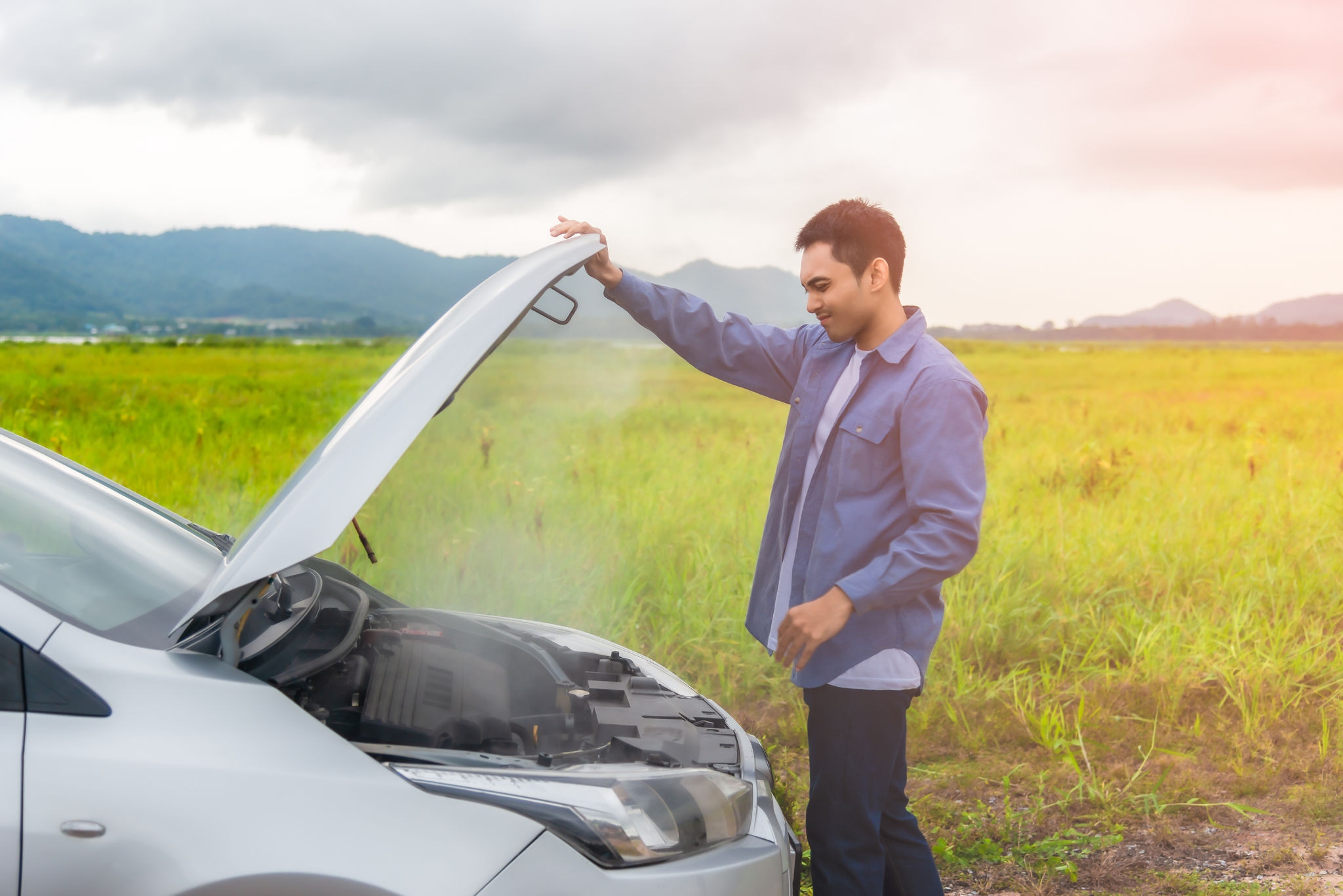
Breakdowns are never fun, and the last thing you want to do is make the situation any worse. Don’t make these mistakes.
Parking in unsafe locations or on a hill
Don't make yourself into a hazard. If possible, avoid parking in a traffic lane where you're in the way of other traffic or on a bend where you can't be seen and could cause an accident. Move your vehicle to the safest possible location before stopping.
Be extra careful getting out of your car. Always make sure your car is in park, with the handbrake on, and turn the wheels towards the curb, if possible, before getting out.
DIY repairs on busy roads
While it might be tempting to pop the hood and try to fix the fault yourself, it's best to leave repairs to professional breakdown providers, especially on busy roads. Call the experts at AMI Roadside Rescue and get going again.

Dean MacGregor notes that "with around 2,000 roadside rescues on average each month, it pays to plan for the unexpected. Additionally, 20% of callouts are made after hours, either between 6:30pm and 8am, or during the weekend."
A breakdown doesn't have to be a catastrophe. Having reliable roadside assistance takes the stress out of the situation. The AMI Roadside Rescue team are on your side and can help you with:
Learn more about the benefits of our award-winning Roadside Rescue service, give our team a call on 0800 800 802 if you'd prefer to chat with us or buy a subscription now.
Unless the immediate cover Membership option is paid for (at an additional $99 fee), a 24-hour stand down period applies to all Memberships.
From 4 November 2024, a free year of AMI Roadside Rescue is available to all new drivers who have passed their restricted or full New Zealand car driver licence within the last 12 months. Terms and conditions apply.
This article is intended to provide general information only, and should not be substituted for professional automotive advice. The information in this article is generally sourced from third-party websites and IAG New Zealand Limited does not guarantee or accept any liability for the accuracy of that information.